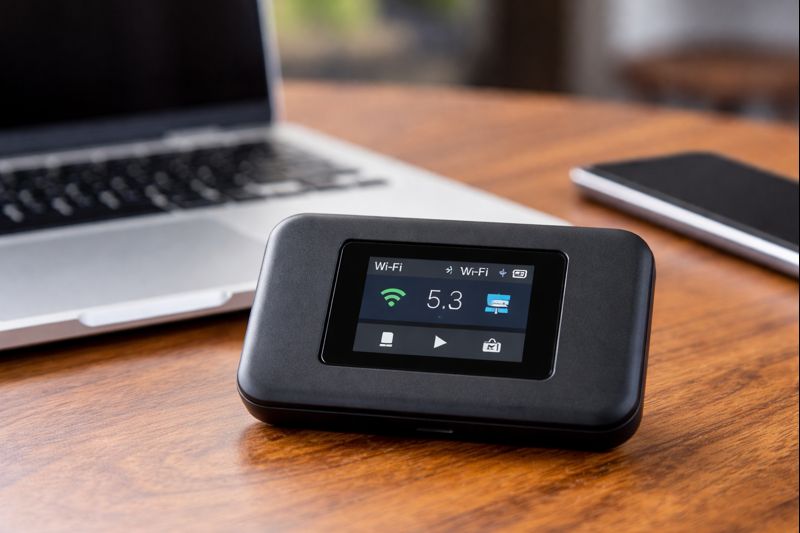
A mobile hotspot is a tool that allows you to share a cellular internet connection with other devices such as laptops, tablets, and smart TVs. Mobile hotspots are commonly used when traditional home internet is unavailable or impractical.
How Does a Mobile Hotspot Work?
A mobile hotspot connects to the internet using cellular networks like 4G LTE or 5G. The hotspot device then creates a Wi-Fi signal that other devices can connect to, similar to a home router.
Mobile hotspots can be dedicated devices or built-in features on smartphones.
Types of Mobile Hotspots
Dedicated Hotspot Devices
Dedicated hotspot devices are designed specifically to provide internet access. They often support multiple connections and offer better performance than phone hotspots.
Smartphone Hotspots
Most smartphones include a built-in hotspot feature. While convenient, smartphone hotspots may have data limits or reduced performance compared to dedicated devices.
When Should You Use a Mobile Hotspot?
Mobile hotspots are useful in a variety of situations, including travel, RV living, remote work, and rural locations where cable or fiber internet is unavailable.
If you’re specifically wondering whether a hotspot can replace wired service, read our guide on using a mobile hotspot for home internet.
Mobile Hotspot vs Home Internet
Unlike traditional home internet, mobile hotspots rely on cellular towers rather than physical cables. This makes them portable and easy to set up, but performance can vary based on signal strength and network congestion.
If you’re comparing different options, our guide to best hotspot plans explains what to look for when choosing a plan.
Learn More About Hotspot Technology
To explore more in-depth topics, comparisons, and use cases, visit our hotspot guides.
Final Thoughts
A mobile hotspot provides flexible internet access wherever cellular coverage is available. Understanding how hotspots work can help you choose the right plan and device for your needs.